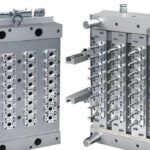
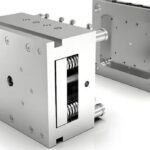
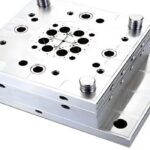
In injection molding, the mold cavity is a crucial component that determines the shape and design of the final molded part. It is the hollow space within the mold where molten material is injected, solidifies, and takes shape. The design and quality of the mold cavity are pivotal in achieving high-quality, accurate parts consistently.
This complete guide will delve into what a mold cavity is, the different types of mold cavities, their functions, and design considerations that impact both part quality and manufacturing efficiency. Whether you’re new to injection molding or a seasoned professional, understanding mold cavities is essential for optimizing production.
What Is a Mold Cavity in Injection Molding?
In simple terms, a mold cavity is the internal part of the mold that gives the injected material its shape. When a mold is designed for injection molding, it is created with two primary components:
- Cavity: The internal space that defines the part’s shape.
- Core: The external section that supports the mold and often forms the part’s internal features.
When molten plastic is injected into the mold, it fills the cavity, cooling and solidifying into the desired part shape. The mold cavity is thus responsible for shaping the external features of the part, such as its contours, surface finish, and overall dimensions.
Types of Mold Cavities
Different types of mold cavities are used depending on the part design, production volume, and complexity of the molded part. Here are the most common types:
1. Single Cavity Mold
- Description: A single cavity mold has only one cavity, meaning it produces one part per injection cycle.
- Applications: Best for small production runs or parts with high complexity where a single part per cycle is acceptable.
- Advantages: Simple to design and manufacture, lower initial costs.
- Disadvantages: Slower production speed, higher per-part cost in mass production.
2. Multi-Cavity Mold
- Description: A multi-cavity mold contains multiple cavities, allowing several parts to be produced simultaneously in each injection cycle.
- Applications: Ideal for high-volume production runs, where the same part is molded multiple times in one cycle.
- Advantages: Increased production efficiency, lower per-part cost.
- Disadvantages: Higher mold design and manufacturing costs, more complex mold configuration.
3. Family Mold
- Description: A family mold has multiple cavities, each designed to produce different parts, often with similar shapes or sizes. All parts are produced simultaneously during each cycle.
- Applications: Used for producing parts that are part of a larger assembly or related components that need to be molded together.
- Advantages: Saves time and reduces the need for multiple molds.
- Disadvantages: More complex mold design, increased risk of defects in multiple parts if one cavity is not properly designed or filled.
4. Hot Runner System Mold Cavities
- Description: In a hot runner system, the material is kept molten within the runner system, reducing material waste. The mold cavities are connected through the heated runners, ensuring consistent flow of molten material into all cavities.
- Applications: Used in high-volume applications where consistency and speed are important.
- Advantages: Faster cycle times, reduced material waste, no need for runner removal.
- Disadvantages: More expensive and complex system, requires better temperature control.
The Role of the Mold Cavity in Part Design
The mold cavity directly influences the final appearance, functionality, and performance of the molded part. Several factors affect how the cavity impacts part design and quality:
1. Part Geometry and Shape
The mold cavity defines the shape and contours of the molded part. When designing the mold cavity, engineers must account for:
- Wall thickness: Uniform wall thickness is essential for achieving consistent material flow and preventing defects such as warping or sink marks.
- Undercuts: Features that cannot be molded in a straight line, like clips or threaded inserts, require special mold designs, such as movable cores or collapsible cores, to create these features.
- Complex features: For intricate designs or parts with fine details, the cavity must be carefully crafted to ensure the material flows evenly into all areas, preventing defects like incomplete fills or short shots.
2. Material Flow
The mold cavity plays a significant role in determining how the molten material flows into the mold. The layout of the cavity, along with the runner system, ensures that material is distributed evenly throughout the mold. Any inconsistencies in material flow can result in issues such as:
- Cold spots: Where the material doesn’t fill the cavity evenly and parts don’t form correctly.
- Air traps: Where air pockets get trapped, causing defects like burn marks or voids.
3. Ejection of the Part
After the material has cooled and solidified, the mold cavity must be designed for efficient part ejection. This includes considering the following:
- Ejector pins: Used to push the molded part out of the cavity without damaging the part.
- Ejection system design: Ensuring that the cavity allows smooth and easy ejection, especially for complex or delicate parts, is essential for avoiding part defects or damage during the ejection process.
Design Considerations for Mold Cavities
Designing an effective mold cavity requires attention to several factors to ensure optimal performance, part quality, and mold longevity. Here are some key design considerations:
1. Material Selection
The material used for the mold cavity must be durable enough to withstand the injection pressure and temperature. Common materials for mold cavities include steel and aluminum, with steel being more suitable for high-volume production due to its wear resistance.
2. Cooling System Design
Efficient cooling is critical to preventing warping and achieving uniform part quality. The mold cavity should be designed with cooling channels that are strategically placed to ensure consistent cooling throughout the mold.
- Hot spots or uneven cooling can result in defects like warping or dimensional inaccuracies.
- Optimal cooling times help reduce cycle time and improve part quality by ensuring that parts cool evenly and maintain their shape.
3. Tolerances and Precision
The precision of the mold cavity is critical to the final part’s dimensions. Tight tolerances must be maintained to ensure that the molded part fits and functions correctly. This includes ensuring the cavity has a precise shape, surface finish, and smoothness.
4. Venting
Proper venting is essential to prevent air from being trapped in the mold cavity during the injection process. Air trapped inside can cause defects such as air pockets, burns, or incomplete fills. Small vents allow trapped air to escape, ensuring a smooth filling process.
5. Surface Finish
The mold cavity surface finish affects the surface quality of the molded part. A polished cavity results in a smooth part surface, while a textured cavity can create a matte finish or add texture for aesthetic or functional purposes.
Challenges in Mold Cavity Design
Designing a mold cavity that meets production goals while minimizing defects can present challenges:
- Heat distribution: Managing heat across the entire mold cavity is difficult, especially with larger or more complex parts. Uneven cooling can lead to part defects, such as warping or sink marks.
- Cavity alignment: Ensuring the cavities are perfectly aligned and that the mold components fit together correctly is crucial to avoiding part deformation and ensuring dimensional accuracy.
- Part ejection: For molds with complex shapes, ensuring the cavity allows smooth ejection without damaging the part is often challenging and requires sophisticated ejection systems.
The mold cavity plays a crucial role in the injection molding process, directly influencing the shape, functionality, and quality of the final part. Its design is critical to ensuring that the part is molded correctly and efficiently. From ensuring consistent material flow to providing accurate part features and smooth ejection, every aspect of the mold cavity design impacts part quality and production efficiency.
By understanding the importance of mold cavities, their types, and key design considerations, manufacturers can optimize the injection molding process, reduce defects, and improve the overall quality of their molded parts.