In injection molding, the design of the mold is key to producing high-quality, efficient parts. Among the most essential components of any mold is the runner system, which directs the flow of molten material into the mold cavities. The runner plays a crucial role in ensuring that the molten plastic fills the mold evenly, allowing for consistent part quality and reducing defects.
This article will explore the purpose of a runner, how it works, and how its design influences the efficiency and quality of the injection molding process.
What Is a Runner in Injection Molding?
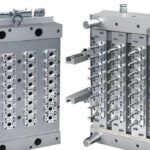
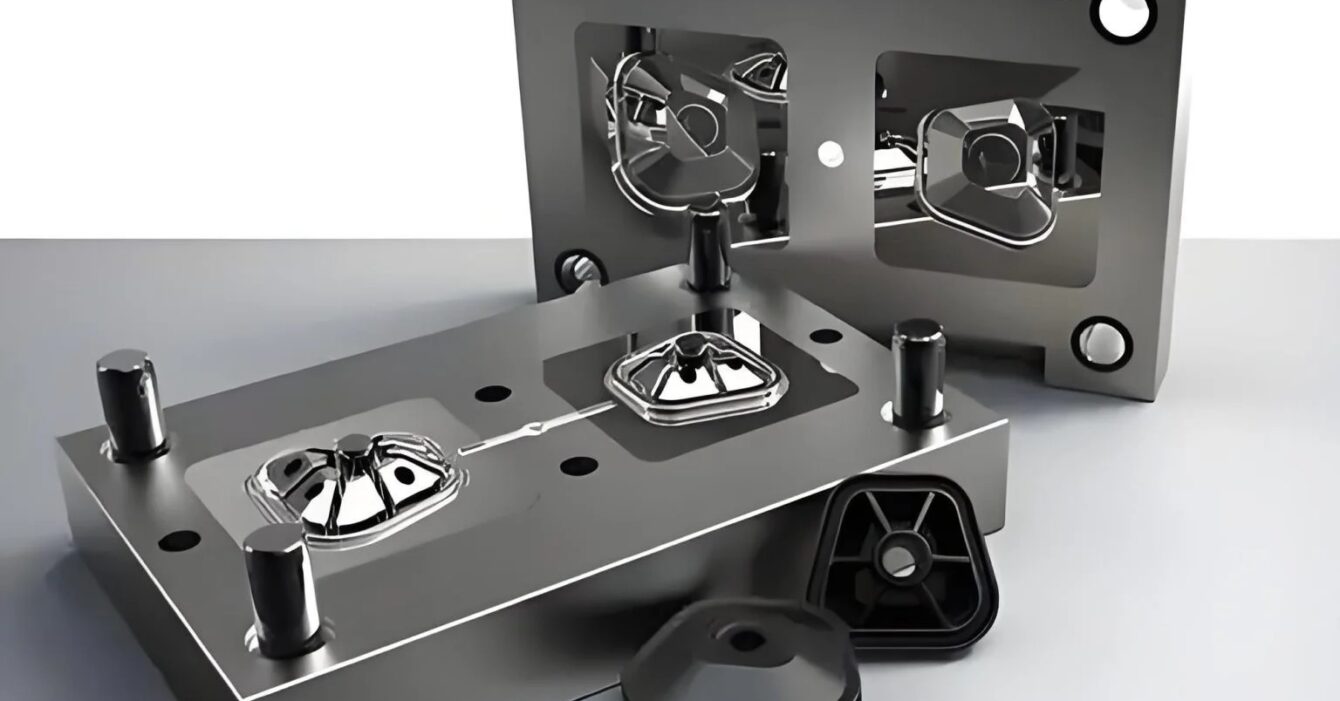
A runner is a channel or pathway in the mold system that guides molten plastic from the injection nozzle into the mold cavities. Runners are part of the runner system, which typically consists of the main runner (feeding the material from the nozzle), secondary runners (leading to individual cavities), and sometimes even sub-runners or branch runners depending on the complexity of the mold.
The runner is an essential feature in the injection molding process because it directly affects the flow of material, cooling rates, and the overall success of part production. Its design ensures that the material flows evenly into all cavities, avoiding issues such as uneven filling or premature solidification.
Types of Runners in Injection Molding
There are several types of runner systems used in injection molding, each designed to serve a specific function and improve the efficiency of the process.
1. Cold Runner System
- Description: A cold runner system keeps the material in the runner at a lower temperature, meaning it does not stay molten after injection.
- Design: The runner is connected to the mold cavity through a system of channels, and the material solidifies within the runner after injection.
- Pros: Cold runners are simpler and less expensive to design. They are used for small or low-volume production runs where the material in the runner will not be reused.
- Cons: The material in the runner solidifies and must be removed or discarded after each cycle, leading to material waste.
2. Hot Runner System
- Description: A hot runner system maintains the runner material at a high temperature to prevent it from solidifying during the molding process.
- Design: The runner is heated using external temperature control units or internal heating elements to keep the material in a molten state.
- Pros: Hot runners improve material flow and reduce waste because the material in the runner is not discarded after each cycle. They are ideal for high-volume or precision molding.
- Cons: Hot runner systems are more complex and costly to design and maintain.
3. Semi-Hot Runner System
- Description: A semi-hot runner system is a hybrid of cold and hot runner systems, where only part of the runner is heated while the rest remains at a lower temperature.
- Design: The material in the heated portion of the runner stays molten, while the rest of the runner cools down. This system is designed to reduce waste without the high cost of a full hot runner system.
- Pros: Semi-hot runner systems balance cost and efficiency, making them ideal for some medium to high-volume applications.
- Cons: The design complexity is higher than that of cold runners, and there may still be some material waste.
The Purpose of a Runner in the Mold System
The runner serves several key functions in the injection molding process. Understanding its purpose is essential for optimizing mold design and improving part quality.
1. Ensures Even Distribution of Material
The primary purpose of the runner is to ensure that molten material is distributed evenly to all cavities of the mold. The runner system channels the material from the injection nozzle to the individual cavities, helping achieve uniform fill patterns.
- Importance: If the runner system is poorly designed, the material may not flow evenly, leading to incomplete fills, material shortages in certain areas, or inconsistent wall thicknesses. This can result in defects like short shots, warping, or part failure.
2. Controls Material Flow
The runner controls the flow of molten material through the mold, ensuring that the material fills the mold cavities at the correct pressure and speed. This is crucial for preventing defects such as air pockets or material compression.
- Importance: A properly designed runner minimizes the risk of overpacking (causing high pressure), underpacking (leading to incomplete parts), and material wastage. It ensures optimal flow that maximizes efficiency and part quality.
3. Facilitates Uniform Cooling
The design of the runner system can influence how well the material cools during the injection molding process. A well-placed runner helps ensure that the molten material enters the mold cavities in a controlled manner, which affects the cooling rates of the molded part.
- Importance: If material cools too quickly in some areas and too slowly in others, this can cause warping, dimensional inaccuracies, or surface defects. A good runner design accounts for the temperature and viscosity of the material to promote consistent cooling.
4. Affects Cycle Time
The runner system also plays a significant role in the cycle time of the injection molding process. The design of the runner can influence how long it takes for the material to fill the cavity and cool down, which in turn impacts overall cycle times.
- Importance: A well-designed runner system allows for faster injection and cooling times, improving overall efficiency and productivity. Conversely, a poor runner design may increase cycle time and reduce the output rate of the mold.
5. Minimizes Waste
In a cold runner system, material that remains in the runner after each cycle must be discarded, which leads to waste. However, in hot runner systems, the material in the runner remains molten and can be reused in subsequent cycles, reducing waste.
- Importance: Minimizing material waste is important for cost savings, especially in high-volume production runs. Hot runners are particularly useful in reducing waste while maintaining part quality.
Design Considerations for Runners
When designing a runner system, several factors need to be considered to optimize material flow and improve part quality:
1. Runner Size and Shape
The size and shape of the runner determine how easily the molten material can flow through it. Runners that are too small can cause bottlenecks, increasing pressure and leading to defects, while overly large runners may result in excess material waste.
- Best Practice: A runner should be sized appropriately to allow for smooth, uniform material flow without excessive pressure.
2. Runner Length and Geometry
The length and geometry of the runner system impact the time it takes for the material to reach the cavities. Long runners can increase cycle time, while poorly designed runner geometry can cause uneven material distribution.
- Best Practice: Keep the runner length as short as possible and ensure the geometry promotes smooth flow. Use split runners or Y-shaped runners for distributing material evenly to multiple cavities.
3. Temperature Control
Maintaining the correct temperature within the runner is essential for controlling material flow. In hot runner systems, temperature must be closely monitored to prevent premature solidification or material degradation.
- Best Practice: Use precise temperature control mechanisms to ensure consistent flow and avoid defects caused by temperature fluctuations.
4. Runner Material Selection
The material used for the runner must be durable and able to withstand high temperatures and pressures. Stainless steel is commonly used for hot runner systems, while aluminum may be used for cold runner systems.
- Best Practice: Choose the material for the runner based on the type of system, mold design, and expected production volumes.
The runner is a vital component in the injection molding process, guiding the molten material into the mold cavities for consistent, high-quality part production. Its design affects everything from material flow and cooling rates to cycle times and material waste. Understanding the different types of runner systems and their purpose can help you design molds that improve efficiency, reduce costs, and ensure the production of high-quality parts. Whether using a cold runner, hot runner, or semi-hot runner system, ensuring proper runner design is essential for optimizing the injection molding process.