In injection molding, the mold is the key element that shapes the plastic into its final form. However, the mold base plays an equally important role in the overall functionality and performance of the injection molding system. It is the foundational structure to which all other parts of the mold are attached. A well-designed injection mold base ensures precise alignment, efficient material flow, and effective cooling, all contributing to the production of high-quality plastic parts.
This article will provide a detailed explanation of what an injection mold base is, its components, types, and its significance in the injection molding process.
What is an Injection Mold Base?
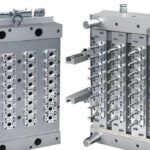
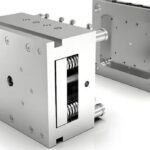
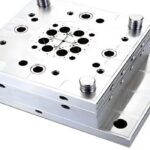
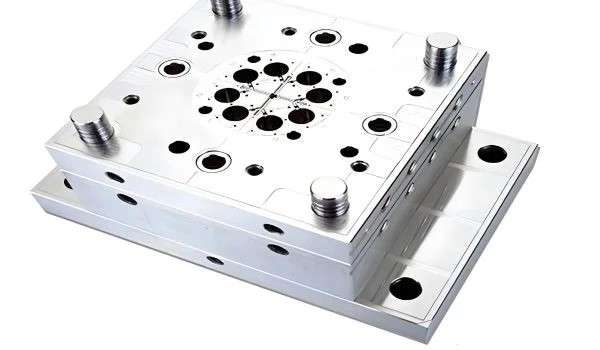
An injection mold base is the primary support structure for an injection mold. It houses the cavity and core insert, as well as other components like ejector pins, cooling channels, and the runner system. The mold base serves as the mold’s backbone, ensuring everything is securely mounted and aligned during the injection molding process.
The mold base is typically made from high-quality steel, aluminum, or other durable metals, as it must withstand the high pressures and temperatures involved in injection molding.
Key Functions of an Injection Mold Base
1.Structural Support: It provides a rigid framework to mount all mold components.
2.Alignment: Ensures accurate alignment of the core and cavity inserts for consistent part dimensions.
3.Cooling and Ejection: Houses the cooling channels and ejector pins to facilitate efficient cooling and part removal.
4.Material Flow: Accommodates the runner and gate system, ensuring the proper flow of molten plastic into the cavity.
Components of an Injection Mold Base
The mold base includes several essential components, each designed to support a specific function in the injection molding process:
1.Core Plate: The core plate houses the core insert, which shapes the interior of the molded part. This plate is positioned on the B plate of the mold.
2.Cavity Plate: The cavity plate contains the cavity insert, which defines the exterior shape of the molded part. The cavity and core together create the mold’s cavity that the plastic is injected into.
3.Ejector Plate: The ejector plate holds the ejector pins, which are used to remove the molded part from the mold after it has cooled. The ejector system is crucial for ensuring that parts are released efficiently and without damage.
4.Guide Pins: Guide pins ensure the proper alignment of the mold’s two halves (core and cavity) during mold closure. They help maintain the correct orientation for consistent part quality.
5.Cooling Channels: Cooling channels are integral to the injection mold base, designed to remove heat from the molten plastic. Efficient cooling is essential for shortening cycle times and ensuring the quality of molded parts.
6.Runner System: The runner system is part of the mold base and directs the flow of molten plastic into the mold cavity. It is connected to the injection machine nozzle, which supplies the plastic.
7.Clamping Plate: The clamping plate is used to hold the mold components together under pressure during injection. It provides the necessary force to ensure the mold remains closed during the injection cycle.
Types of Injection Mold Bases
There are different types of injection mold bases based on their design, functionality, and material used. The most common types include:
1.Pre-Hardened Steel Mold Bases
Pre-hardened steel is often used in medium-volume production. These mold bases offer a good balance between cost, durability, and ease of machining. They are ideal for low-to-medium production runs where high strength and precision are needed but not at the level required for large-scale runs.
2.Hardened Steel Mold Bases
Hardened steel mold bases are used for high-volume production where extreme durability is required. These mold bases are made from steel that has been heat-treated to enhance hardness, making them suitable for high-wear applications like large or complex molds. They are ideal for long-lasting mold life and high precision.
3.Aluminum Mold Bases
Aluminum mold bases are lightweight and offer faster heat dissipation, making them ideal for prototyping and low-volume production. Aluminum provides good thermal conductivity but is generally not as durable as steel. It is used when quick turnaround and cost efficiency are critical.
4.Modular Mold Bases
Modular mold bases offer flexibility by using standardized components that can be easily replaced or adjusted. These are useful for manufacturers who require molds with different sizes or configurations, allowing for rapid modifications and more cost-effective maintenance.
Why Is an Injection Mold Base Important?
The mold base plays a crucial role in the overall functionality and efficiency of the injection molding process. Here’s why it’s so important:
1.Precision and Consistency: The injection mold base ensures the accurate alignment of the cavity and core inserts, leading to consistent part dimensions and high-quality molded parts. Any misalignment could lead to defects in the final product.
2.Cycle Time Reduction: A well-designed mold base with efficient cooling channels helps reduce cycle times, making the molding process faster and more cost-effective.
3.Durability and Longevity: High-quality mold bases made from materials like hardened steel or aluminum ensure that the mold can withstand the high pressures and temperatures involved in the injection molding process, extending the lifespan of the mold.
4.Ease of Maintenance: The components of the mold base are designed for easy maintenance and repair. This ensures that manufacturers can quickly replace worn-out parts, leading to minimal downtime during production.
Injection Mold Base Design Considerations
When designing an injection mold base, several factors need to be considered:
1.Part Complexity: The complexity of the molded part will determine the need for a more intricate mold base design, including the number of cavities, core, and cavity inserts, and the number of ejector pins required.
2.Material Selection: The material used for the mold base must be chosen based on the type of production and the material being molded. For high-volume production, materials like hardened steel are preferable, while for short-run or prototype molds, aluminum may be more appropriate.
3.Cooling Efficiency: The design of the cooling channels is crucial to ensure efficient heat removal from the mold. Proper cooling will reduce cycle times and improve the quality of the molded parts.
4.Injection Pressure: The mold base must be designed to withstand the injection pressure of the plastic being injected into the mold. High-strength materials are essential for ensuring that the mold does not deform under pressure.
An injection mold base is the foundation of the entire injection molding process. It provides the structural support necessary for the cavity and core inserts, cooling channels, and ejector pins, all of which contribute to the quality and efficiency of the molded part. Understanding the components, types, and design considerations for mold bases is essential for manufacturers to optimize their production processes, reduce costs, and enhance the overall performance of the injection molding system.